Laser beam 5G base stations could be powered by lasers
As the demand for faster and more reliable internet connectivity continues to grow, telecommunication companies are constantly seeking new ways to improve their networks. One such innovation that is currently being explored is the use of laser beam technology to power 5G base stations.
Traditionally, 5G base stations have been powered by electricity supplied through cables or batteries. However, this method can be both costly and environmentally damaging. Laser beam technology has the potential to provide a more efficient and sustainable alternative as it relies on wireless power transfer through light waves. In this article, we will explore how laser beam-powered 5G base stations work and what benefits they could bring to the telecommunications industry and beyond.
Overview of laser-powered 5G base stations
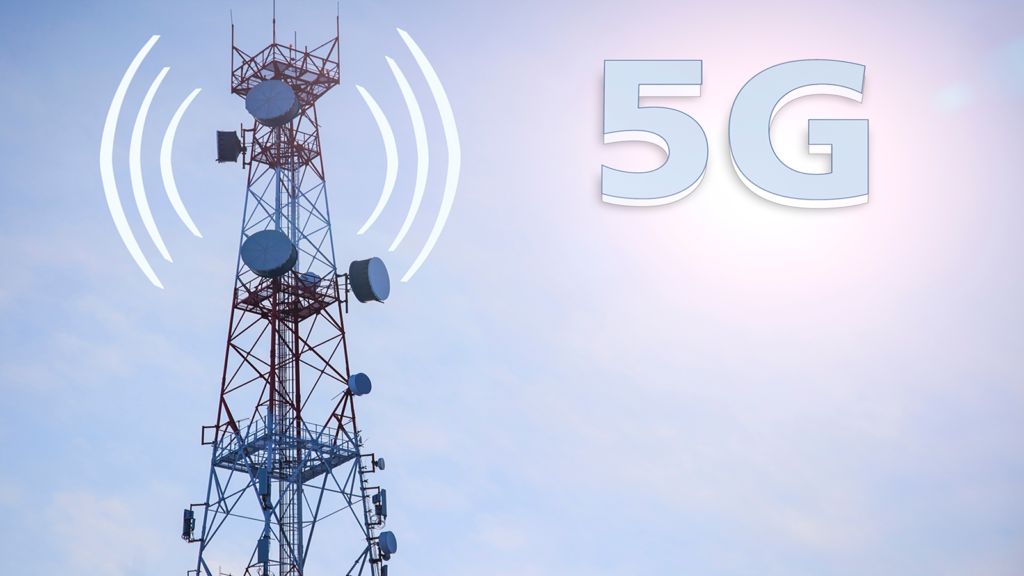
Laser-powered 5G base stations are the newest technology for powering wireless communication networks. These base stations are powered by laser beams overview that can transmit data at a faster rate than traditional methods. The laser-powered base stations use about 100 beams, which allow for more data to be transmitted at once and increases the speed of the network.
One type of laser that is being used in these base stations is called a white light laser. This type of laser emits all colors of light, which allows it to transmit data over multiple frequencies simultaneously. This means that more devices can connect to the network without slowing down the connection speed.
Overall, laser-powered 5G base stations have enormous potential for improving wireless communication networks’ speed and efficiency. They could revolutionize how people use their devices in everyday life and pave the way for even more advanced technologies in the future read the full article: Laser beam 5G base stations could be powered by lasers


Comments
Post a Comment